Link copied!
Regulation
Philippines closes 8,000 fake-salon accounts funding illegal casinos

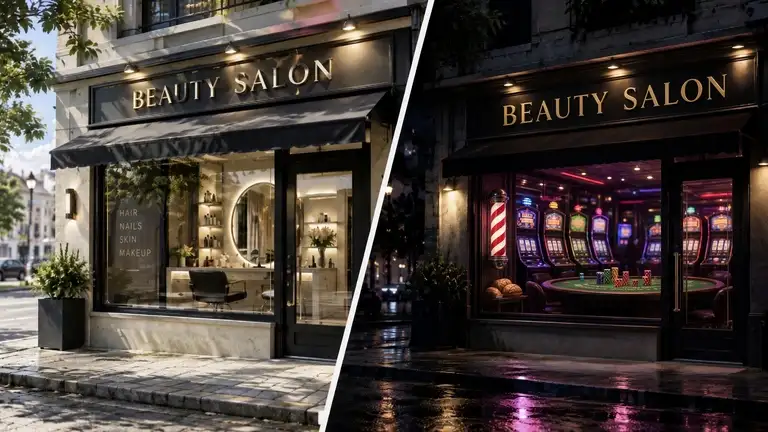
The Bangko Sentral ng Pilipinas blocked more than 8,000 merchant accounts registered as beauty salons and small shops that were actually funneling payments to illegal iGaming operators, Bloomberg reported.
Salons and bakeries processing gambling money
The Bangko Sentral ng Pilipinas blocked more than 8,000 merchant accounts registered as beauty salons, bakeries, and small neighborhood stores that were actually funneling payments to illegal iGaming operators, Bloomberg reported. On paper, these were unremarkable small businesses. In practice, they were processing thousands of transactions as small as roughly $0.85 each, clustered heavily between midnight and early morning, a pattern that doesn’t match how a salon or a bakery actually takes payments from customers.
Deputy Governor Mamerto Tangonan said that pattern was exactly what tipped off the central bank’s surveillance. Illegal operators had been borrowing the identities of small, ordinary retailers to receive gambling payments without ever showing up as a gambling business on any payment provider’s books. “We want to protect consumers from online fraud, illegal activities and also from money launderers,” Tangonan said, framing the crackdown as a consumer-protection measure as much as an anti-gambling one.
A regulatory gap PAGCOR admits it can’t cover
PAGCOR, the country’s gambling regulator, confirmed that some of these front businesses are themselves illegal iGaming operators rather than legitimate shops that got exploited by a third party, and admitted it currently has no real oversight over this specific corner of the payments ecosystem. That’s a notable admission from a regulator whose entire job is overseeing gambling in the Philippines: the operators found a gap where payment infrastructure and gambling oversight simply didn’t overlap, and used it.
The fix BSP is pushing goes past this one wave of account closures. Payment providers will now have to authorize every intermediary in a merchant arrangement, keep payment flows fully traceable back to the actual merchant rather than letting a shell business obscure the trail, and restrict high-risk categories like casinos and gambling operators to direct arrangements instead of routing through unrelated fronts. Providers that keep failing to screen out this kind of business risk losing their license entirely, raising the cost of looking away. It’s the same instinct India’s tax authority acted on recently, going after the payment layer around illegal gambling instead of chasing sites one at a time, a sign regulators are converging on the same target: not the platforms, but the money rails underneath them.
“
“A beauty salon processing thousands of midnight transactions under a dollar each was never really a beauty salon, it just needed to look like one long enough to clear the payment.”

Related tags



Share
SUBSCRIBE TO OUR PRIVATE CASES AND USEFUL TIPS
Subscribe to our newsletter, get only exclusive content and weekly digests, no any spam!
By providing my email, I accept the Privacy Policy.