Link copied!
Regulation
Google’s autocomplete keeps pointing German bettors to unlicensed sites

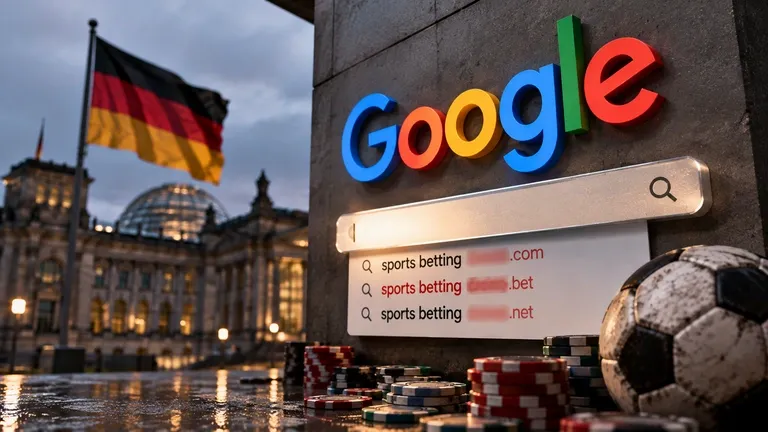
German outlet RND found that Google’s search autocomplete was steering users toward sports betting operators outside the country’s LUGAS and OASIS oversight systems, and a follow-up check three weeks later found the same pattern still showing up.
A search shortcut around Germany’s safeguards
German outlet RND found that typing “wetten,” the German word for betting, into Google produced autocomplete suggestions pointing toward sports betting operators that sit outside LUGAS and OASIS, the country’s two systems for limit tracking and player self-exclusion. Even broad, generic betting searches surfaced prompts leading to operators not licensed under Germany’s regulated framework, the kind of search shortcut most people never think twice about clicking.
Asked about it, Google told RND that autocomplete suggestions are generated from real user search activity rather than curated by the company. Some of the flagged suggestions disappeared after RND raised the issue, which reads less like a policy fix than a narrow response to the specific terms a journalist happened to point out.
The pattern came back under a different query
That reading held up under a second look. RND checked again on September 22 using the query “sportwetten o,” a partial phrase, and found the same pattern still active: autocomplete surfacing operators outside LUGAS limits and OASIS registration. Whatever Google adjusted the first time around didn’t touch the underlying suggestion pipeline, only the handful of terms that had already been reported.
The gap matters because LUGAS and OASIS exist specifically to keep a paper trail on deposit limits and self-excluded players inside licensed operators. An autocomplete box that nudges someone toward betting sites outside that system routes them around the exact protections Germany built its regulated market on, without the search itself ever looking like anything other than routine. Google’s own explanation, that the suggestions simply reflect what people search for, doesn’t address why the same pattern reappeared under a new query after the reported ones were removed.
“
“Removing the exact terms a journalist flagged isn’t fixing the pipeline that generated them, it’s just hiding the next question.”

Related tags




Share
SUBSCRIBE TO OUR PRIVATE CASES AND USEFUL TIPS
Subscribe to our newsletter, get only exclusive content and weekly digests, no any spam!
By providing my email, I accept the Privacy Policy.