
Link copied!
Gambling
An Indonesian iGaming network used government sites in 16 African countries to game Google rankings

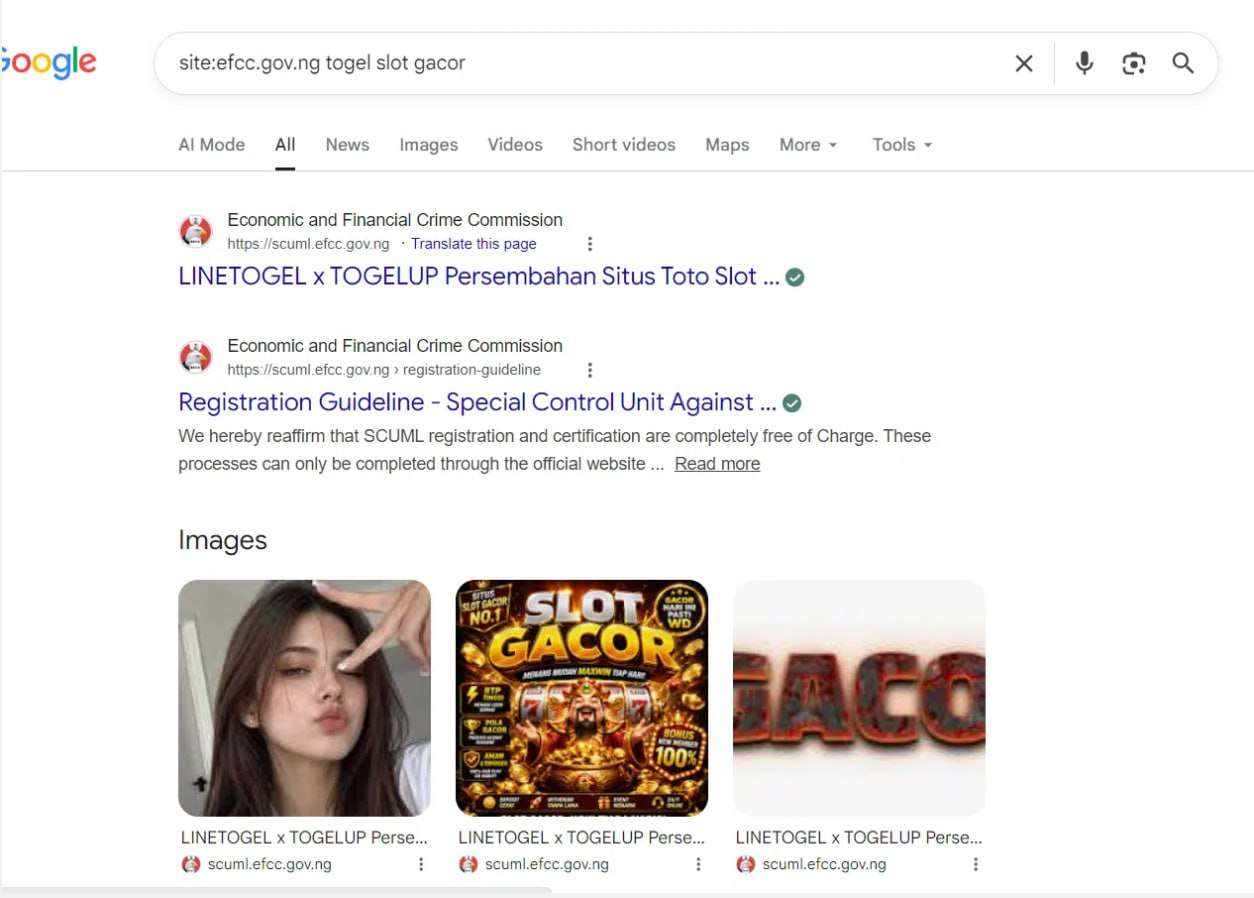
Roughly 20 government websites across 16 African countries turned out to be a covert billboard for iGaming ads — a scheme built specifically to slip past Google by borrowing the trust the search engine extends to official domains.
What happened
Zend Cybersecurity Threat Labs traced the find: attackers embedded gambling content into government resources in Nigeria, Egypt, Kenya, Uganda, Ghana, South Africa, and roughly ten other countries in the region, betting that the reputation of .gov domains in Google’s eyes would drag their own pages up the rankings.
Pinning the hack on a specific Indonesian network came down to digital fingerprints — from the local QRIS payment system to matching support phone numbers and code fragments found on the affected pages.
Details
The lab’s founder put it plainly: there wasn’t much to break through in the first place. Most of the servers were running ancient software with long-known holes, and some admin panels were sitting wide open to the internet. No elaborate technique was required.
Meanwhile the actual audience never left Indonesia — the traffic and the bets both originated there, and the hacked government sites functioned purely as a ranking lever, not a storefront for any local audience.
What this means for the search landscape
This tactic has a name in the SEO world, parasite hosting, and it usually targets forums, university subdomains, or abandoned corporate blogs rather than entire government infrastructures across sixteen countries at once. The scale here is what separates it from the usual spam campaigns that get cleaned up within weeks.
For legitimate affiliates working the iGaming space, campaigns like this create a specific kind of noise: pages riding on borrowed domain authority can temporarily outrank properly built content for competitive betting and casino keywords, until Google catches up and deindexes the offending pages. That lag window is exactly what these operations are built to exploit.
Google has gotten faster at spotting parasite hosting patterns, but a scheme spread across dozens of unrelated government domains in different countries is harder to flag as one coordinated campaign than a single compromised site would be. Affiliates tracking ranking volatility in their niche have a reason to watch sudden, unexplained newcomers in the SERPs, they tend to disappear once search engines catch on, but not before siphoning off traffic and, in cases like this, real deposits.
“
What stands out isn’t the black hat SEO mechanics themselves — that playbook is old news. It’s that access to government infrastructure across 16 countries came without a single real exploit; the admin panels were simply left wide open.

Related tags




Share
SUBSCRIBE TO OUR PRIVATE CASES AND USEFUL TIPS
Subscribe to our newsletter, get only exclusive content and weekly digests, no any spam!
By providing my email, I accept the Privacy Policy.


