Link copied!
Gambling
Four suspects detained in India in illegal iGaming case

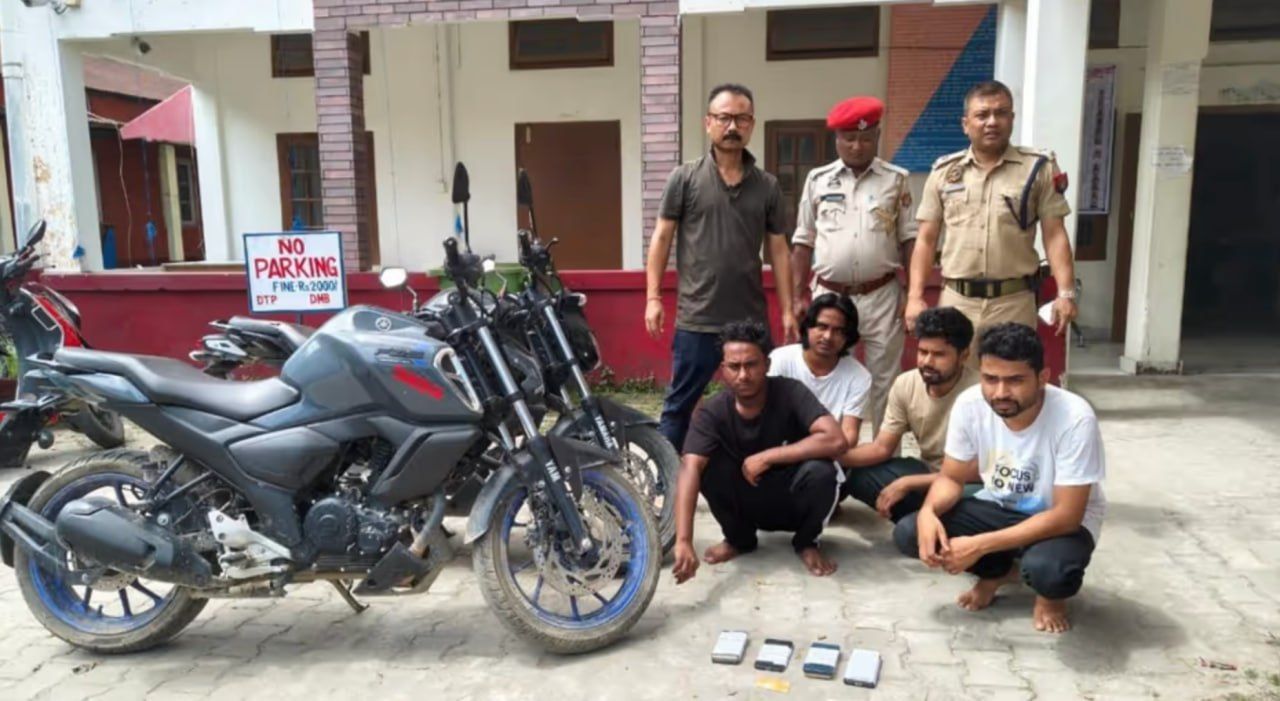
Police in the Indian city of Dhubri have detained four people suspected of organizing a scheme linked to fraud and unlicensed iGaming activity. All suspects have been arrested and remanded in custody for the duration of the investigation.
What happened
The operation was carried out after police received information that the group was preparing to engage in unlawful activity near a State Bank of India branch.
During searches, law enforcement officers seized a bank card allegedly used for cash withdrawals, seven mobile phones, and two motorcycles that, according to investigators, were used by the group’s members to get around.
What was found
According to police, the seized mobile devices contain apps linked to illegal gambling platforms, as well as records of bets, money transfers, and other suspicious financial transactions.
The police station chief said investigators are examining the contents of the devices as potential digital evidence. In addition to possible iGaming-related activity, law enforcement is looking into the scale of the alleged scheme, identifying possible accomplices, and determining whether the suspects were connected to other similar cases.
India regulates gambling at the state level, and most states outside a handful of exceptions treat real-money betting apps as illegal — a gap that pushes demand toward unlicensed operators running through informal networks rather than registered platforms. Cases like this one show how little technical infrastructure such schemes actually need: a single card for cash withdrawals, a handful of phones, and basic transport between transactions. For affiliates and media buyers, the case is a useful data point rather than a direct business concern, but it underlines why traffic into the Indian market needs real diligence on which operators hold valid state-level licensing before any campaign goes live.
“
Enforcement activity like this shows Indian police are actively pursuing the financial trail, not just the apps themselves — that changes the risk calculus for anyone promoting operators without confirmed state-level licensing.

Related tags





Share
SUBSCRIBE TO OUR PRIVATE CASES AND USEFUL TIPS
Subscribe to our newsletter, get only exclusive content and weekly digests, no any spam!
By providing my email, I accept the Privacy Policy.