Link copied!
Regulation
Brazilian operators sue to block the iGaming ban before licenses expire

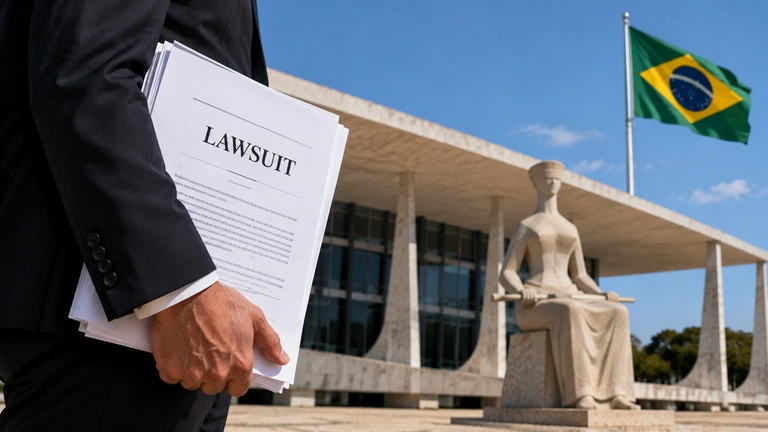
Two Brazilian industry associations have filed separate suits with the Supreme Federal Court seeking to suspend President Lula’s ban on iGaming operators, racing a deadline that requires platforms offline by October 5 and revokes 85 licenses on October 25.
Two associations, two lawsuits, one deadline
President Lula’s provisional measure, signed September 25, bans the operation, offer, and advertising of fixed-odds betting in Brazil, with two industry associations already asking the Supreme Federal Court to block it before the deadlines start biting. The National Association for Legal Certainty in Gaming and Betting, known by its Portuguese acronym Anseja, filed a suit demanding the entire measure be suspended, arguing it lacked the constitutional urgency required for a presidential decree and covers ground that shouldn’t be settled outside Congress. The National Association of Games and Lotteries, ANJL, filed a separate action, ADI 8027, asking the court to keep the existing licensing framework in place while the case is heard.
The timeline is what’s forcing both groups to move fast. Operators have until October 5 to make their platforms inaccessible, and the 85 federal authorizations already issued are set to expire on October 25. Anseja’s fallback request, in case the court won’t suspend the measure outright, asks for a transition period of at least 180 days rather than the roughly ten days operators currently have. ANJL and the Brazilian Institute of Responsible Gaming have separately asked the court not to let licenses lapse before the underlying dispute is resolved.
$480 million in licensing fees, no refund clause
Money is the other half of the argument. Each of the 85 licenses cost 30 million reais, about $5.7 million, and covered five years of operation, adding up to roughly 2.5 billion reais, or $480 million, paid into the government’s coffers. The measure as written ends those licenses without refunding the fees or offering any compensation, a detail both associations point to directly as part of why they consider the decree unconstitutional. Whether the market reverts to its pre-2025 unlicensed footing or the court intervenes before October 5 is now entirely a question for the STF to answer.
“
“Ending a five-year license early and keeping the money isn’t a footnote in this fight, it’s the part every operator’s lawyer read first.”

Related tags





Share
SUBSCRIBE TO OUR PRIVATE CASES AND USEFUL TIPS
Subscribe to our newsletter, get only exclusive content and weekly digests, no any spam!
By providing my email, I accept the Privacy Policy.