Link copied!
AI
Bifrost turns ordinary video into a photorealistic 3D training ground for robots

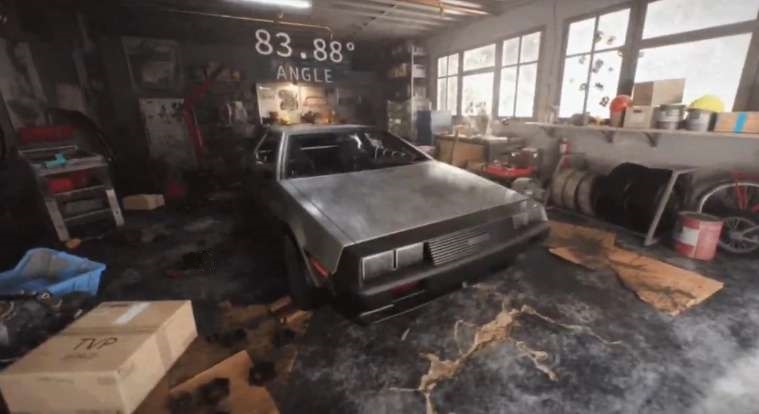
The Bifrost team has shown a technology that converts ordinary video footage of a room into a photorealistic 3D environment suitable for testing robots.
Bifrost positions itself as a team working specifically at the intersection of simulation and robotics, building testing-ground tools rather than a general-purpose 3D generator. The technology was first shown publicly in a post on X, where the developers demonstrated the process of turning video into a finished 3D scene.
How it works
A user just needs to film the space with a camera, then the neural network builds out a virtual testing ground where scenarios can be run safely without risking damage to actual hardware.
According to the developers, generating such an environment takes about 30 minutes — noticeably faster than manually modeling a room from scratch. The approach solves two problems robotics teams usually run into: the slow, expensive process of building test environments, and the risk of breaking physical equipment while debugging on a real object.
Why it matters for robotics teams
Teams usually either hand-build a 3D scene in a game engine, which can take days, or rely on photogrammetry with dozens of angled photos and specialist stitching software. Turning a single video into a usable environment collapses that timeline to something closer to a coffee break.
The main question is fidelity in edge cases: a single video captures a room at one moment in time, so moving objects, changing lighting, and reflective surfaces are the kind of details that trip up this type of pipeline. How well Bifrost handles that will likely decide whether it stays a tool for early prototyping or becomes trusted for final validation before real deployment.
Even so, cutting environment setup from days to half an hour changes the economics of testing. Teams can generate a fresh environment for every new deployment site instead of reusing a handful of generic test rooms, which matters most for warehouse and home-service robots where real-world locations vary far more than a single lab setup can represent.
“
What stands out is the generation time — 30 minutes for a photorealistic replica of a room from a simple video isn’t about a flashy demo, it’s about robotics teams actually being able to use a tool like this in routine development rather than just for one-off presentations.

Related tags



Share
SUBSCRIBE TO OUR PRIVATE CASES AND USEFUL TIPS
Subscribe to our newsletter, get only exclusive content and weekly digests, no any spam!
By providing my email, I accept the Privacy Policy.